Climate Change
Understanding the Global Challenge and Building Sustainable Solutions
What is Climate Change?
Increasing temperatures, rising sea levels, changing frequencies of rainfall events, extreme weather events, declining sea ice in the Arctic and ascending greenhouse gas concentrations in the atmosphere are a few well-known indicators of climate change. A large amount of scientific evidence detailing climate change and its consequences across the world is well documented.
While there are questions about whether the observed climate change is primarily anthropogenically driven or because of the climate's natural variability, significant consensus exists among scientists, engineers, farmers, policy-makers and the informed public that we must reduce the man-made contribution to climate change.
Key Climate Indicators
Rising Temperatures
Global average temperatures continue to increase, affecting weather patterns and ecosystems worldwide
Rising Sea Levels
Melting ice caps and thermal expansion of oceans threaten coastal communities and island nations
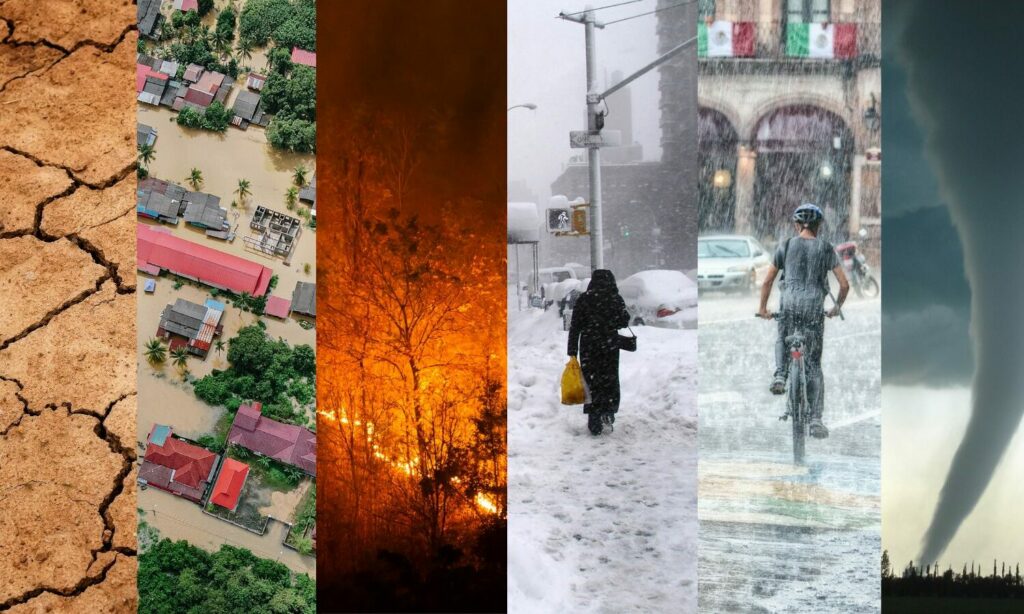
Extreme Weather
More frequent and intense hurricanes, floods, droughts, and other severe weather events globally
Atmospheric Emissions
Greenhouse gas concentrations in the atmosphere reach unprecedented levels
Arctic Decline
Declining sea ice in Arctic regions affecting polar ecosystems and global climate patterns
Global Interconnection
Climate impacts transcend borders, affecting economy and society worldwide
The Challenge Ahead
Climate change is one of the few subjects that cuts through many research disciplines as well as many sectors of society. The whole process raises new questions, which requires a better understanding of the climate change process and its connections among interdisciplinary sciences.
The scientific understanding of climate change is complex, its consequences are of wide variety, and importantly, they are time and region specific. Answers may take different forms—products, solutions, or increased awareness—all requiring specific skill sets.
Key Disciplines & Sectors
Climate change touches many areas of human activity and scientific inquiry